Associate Product Manager · Riyadh

I turn manual, people-dependent operations into systems that run themselves.

Four products I owned end to end — an influencer recommendation engine, the operations behind a busy agency, and the automation that scaled them — from spotting the problem to building, shipping, and driving adoption.

I came into product from marketing, campaign planning, and R&D — so I read a problem through the business, the user, and the workflow at once. I build with RAG agents, automation (n8n), and lightweight web apps, but the tool is never the point. The point is removing the friction a team has stopped noticing.

01 — Operations platform

Montjat

Social-media operations · multi-source tracking · CEO reporting
3 people → 1 A three-person full-time tracking function, reduced to 1–2 hours for a single person.
The problem

My company runs 14 major social accounts, managed by ~100 staff split across teams. Keeping it on track — task status, blockers, plan adherence, assets, and per-platform engagement — took three people full-time, reporting up to the CEO. Then those three people left. The knowledge and the routine were about to leave with them.

How I approached it

The instinct would be to re-hire and re-train. I argued the opposite: the work was mostly collecting and reconciling information that already lived in our tools — it didn't need three people, it needed one place. So I scoped a system around a single question: "what does the CEO need to see, and where does that data already exist?"

The hard part

Getting everything into one trustworthy view. The data was scattered across four systems that don't speak to each other — Asana, WhatsApp groups, Meltwater, and Drive — each with its own format and its own gaps. The challenge wasn't connecting any one of them; it was making a single view someone could trust enough to report upward from, without cross-checking the sources by hand.

What I built

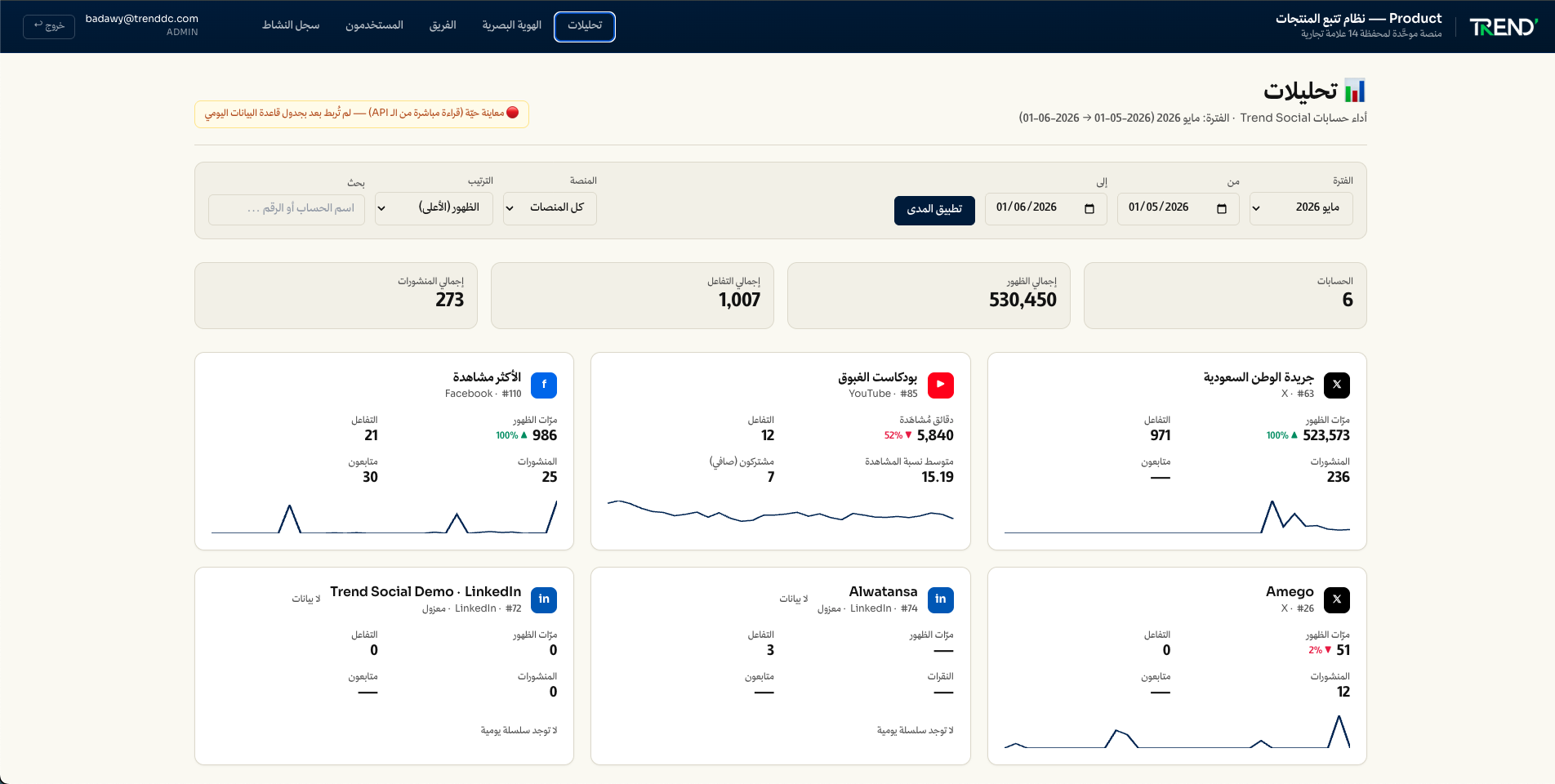
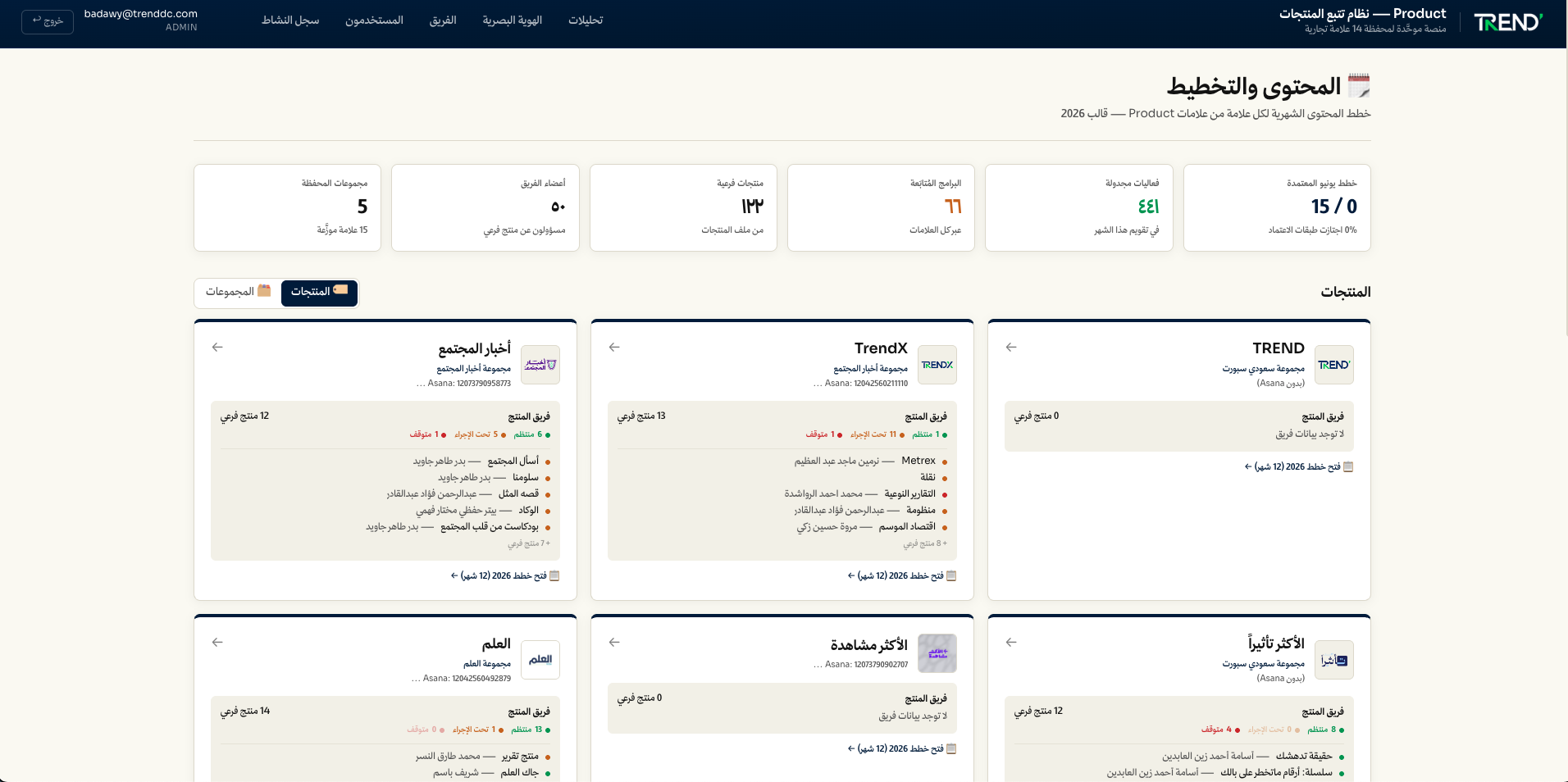
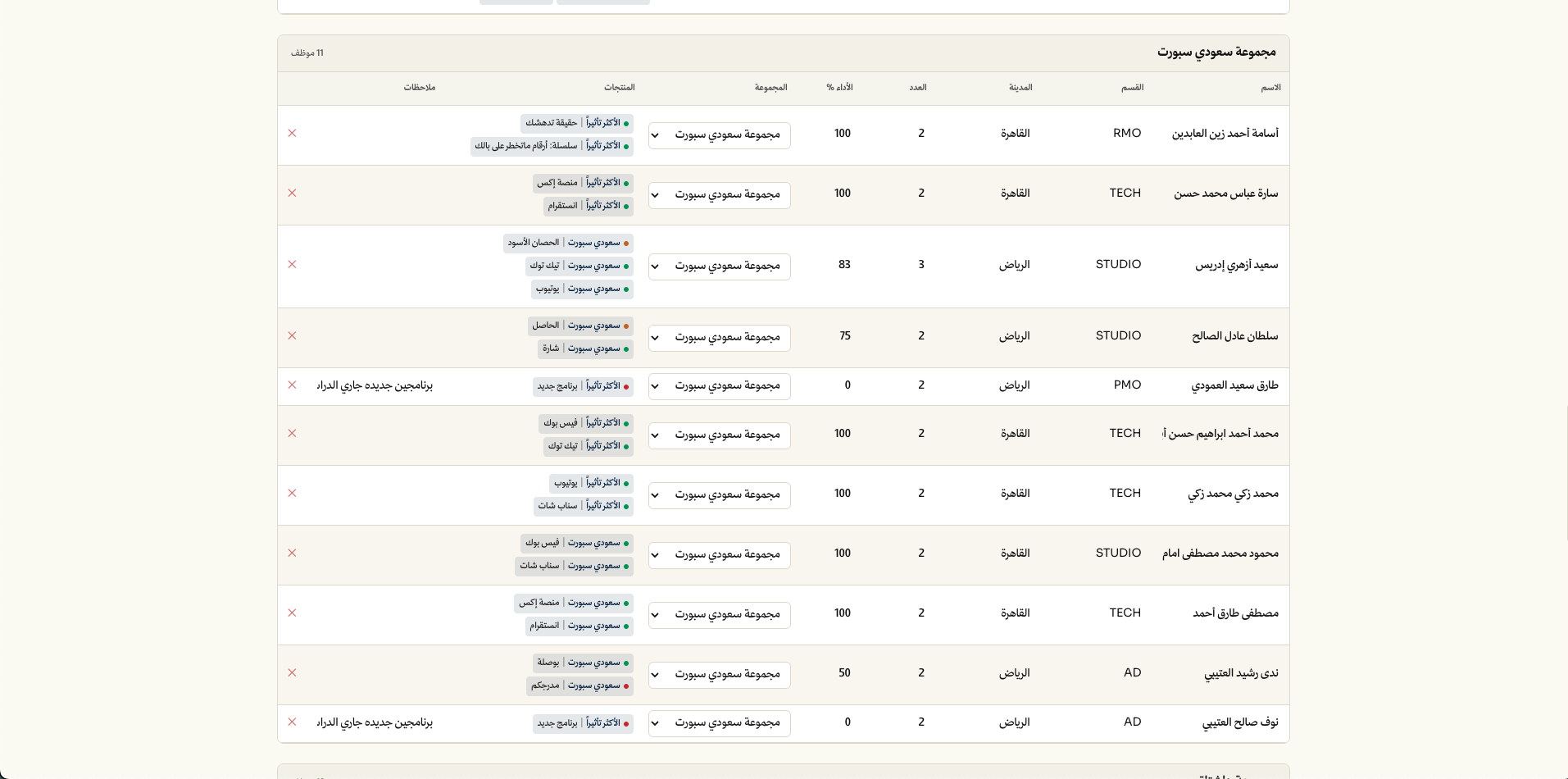
An integrated tracking platform pulling task status and blockers from Asana, summarizing WhatsApp group activity to surface issues, calling the Meltwater API for monthly engagement and reach per brand, and tracking assets in Drive — with built-in team and brand reorganization, feeding straight into CEO reporting. Today ~70 people across those teams use it daily — building content plans, routing them through approvals, and pulling monthly per-account analytics.

Asana APIWhatsApp summarizationMeltwater APIDriven8n
montjat.trenddc.com
Productنظام تتبع المنتجات
إنشاء حساب جديدتسجيل الدخول
أهلاً بعودتك

استخدم بريدك الإلكتروني للدخول.

you@trenddc.com
••••••••
نسيت كلمة المرور؟
دخول
ليس لديك حساب؟ اضغط على "إنشاء حساب جديد" أعلاه.

Montjat — access point to the operations tracking platform (نظام تتبع المنتجات).

Tradeoffs & what's next

It's in active development. The WhatsApp summarization is the piece I'd harden next — message volume is noisy, and "is there an issue here?" is a judgment call I'm still tuning. The honest tradeoff: the system makes one person fast, but it also concentrates the routine in one place, so the next priority is making it legible enough that it isn't a new single point of failure.

02 — Production automation · live

Reports

Automated visual report design · publishing platform
4 days → same day From ~4 days per report to same-day — lifting the ceiling from one report a week to the capacity for several in a day.
The problem

Our published visual reports took about four days each, moving across content, design, editing, and publishing. Design and layout were the bottleneck — talented people doing the same on-brand production by hand, report after report.

How I approached it

I drew a hard line at what to automate. The writing stays human — judgment, accuracy, and editorial voice aren't things I wanted a system guessing at. The repeatable part is turning finished content into on-brand design. So the team still writes; the platform takes that content and produces the visual report.

The hard part

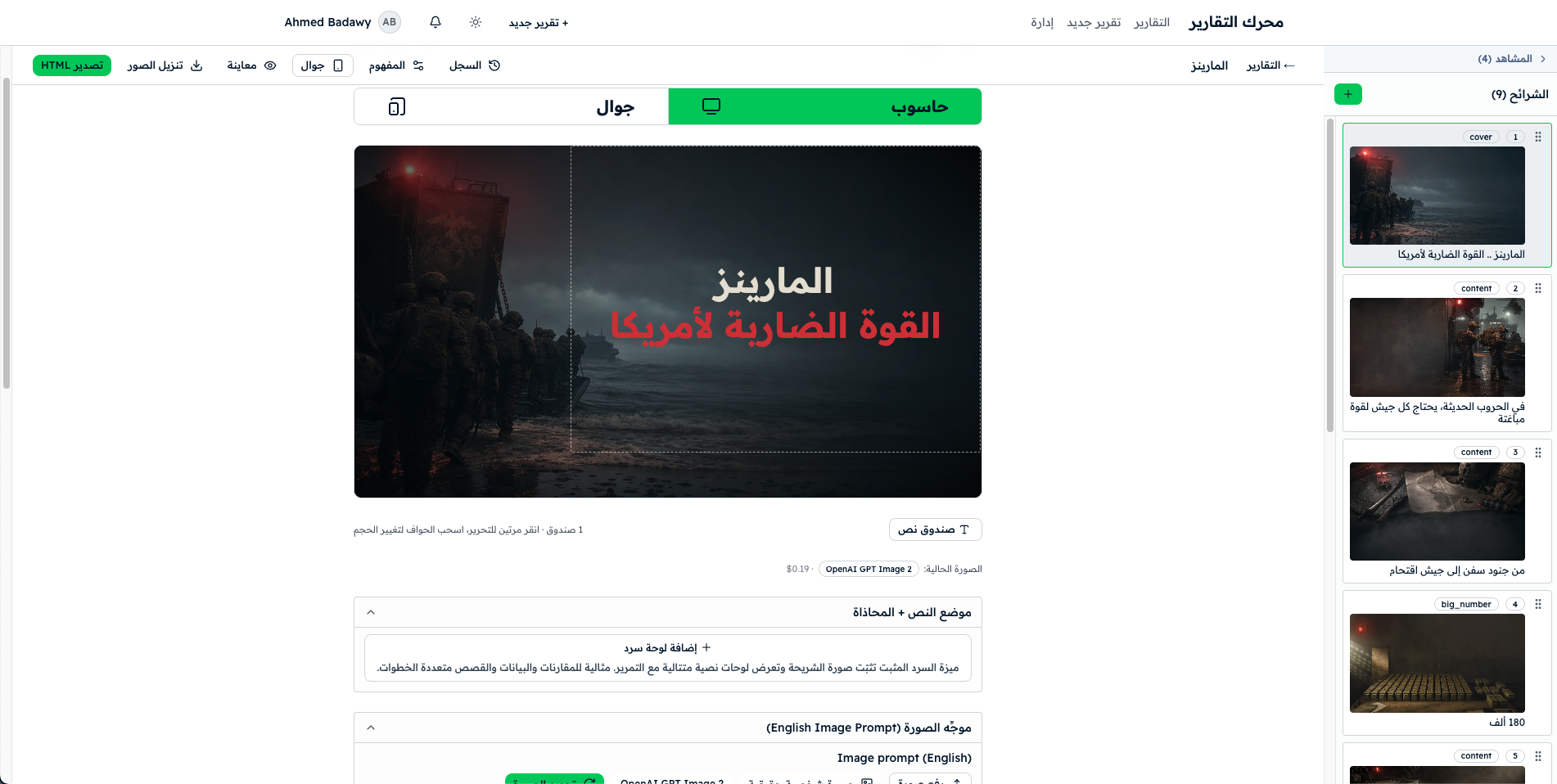
Two things had to be true at once: the output had to match the design team's quality — not "good enough for internal," but good enough to publish under the brand — and the team needed real control without touching code. I built in editable controls for fonts and positioning so a person stays in charge of the final look, instead of accepting whatever the system produced.

What I built & the result

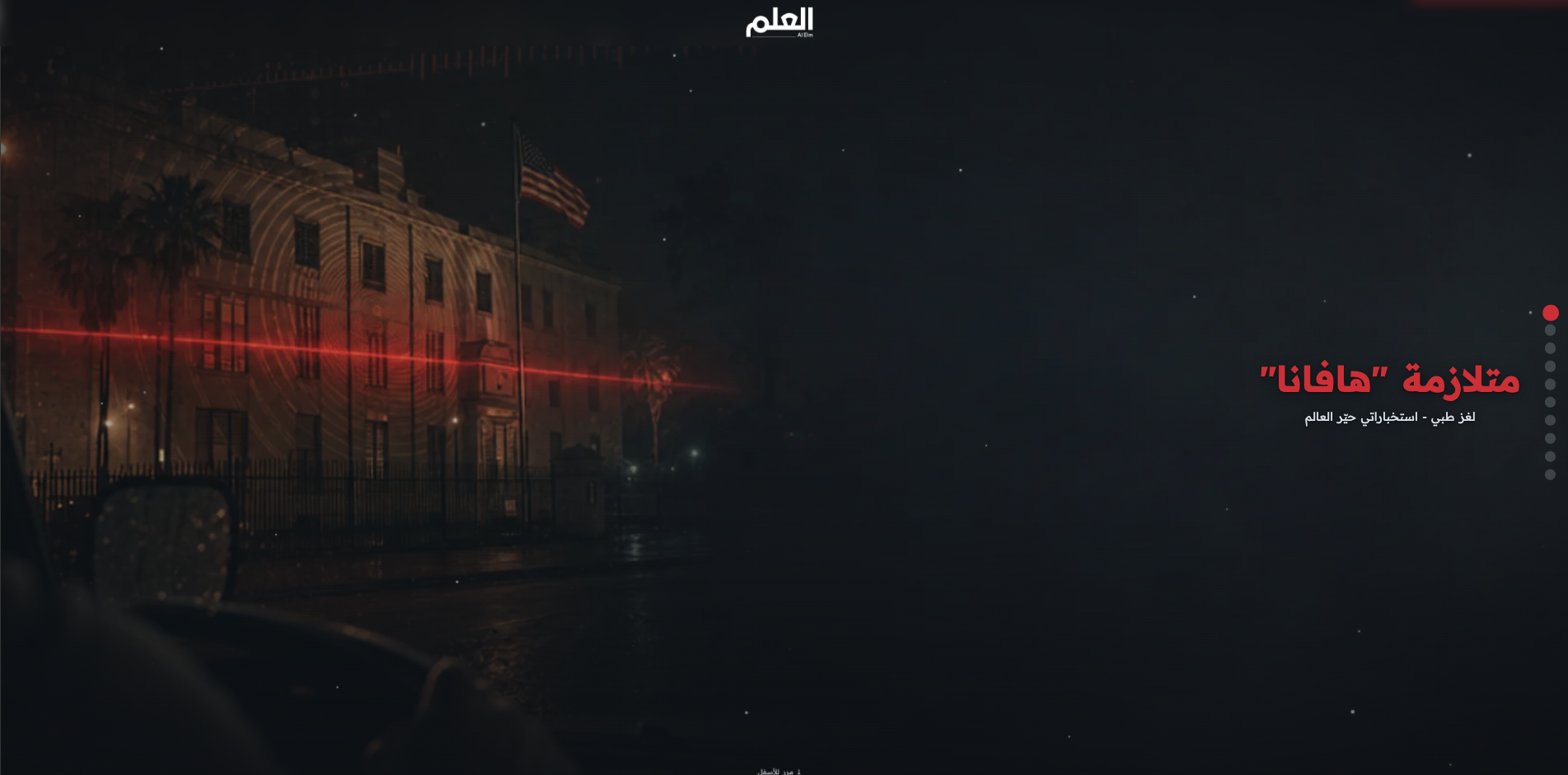
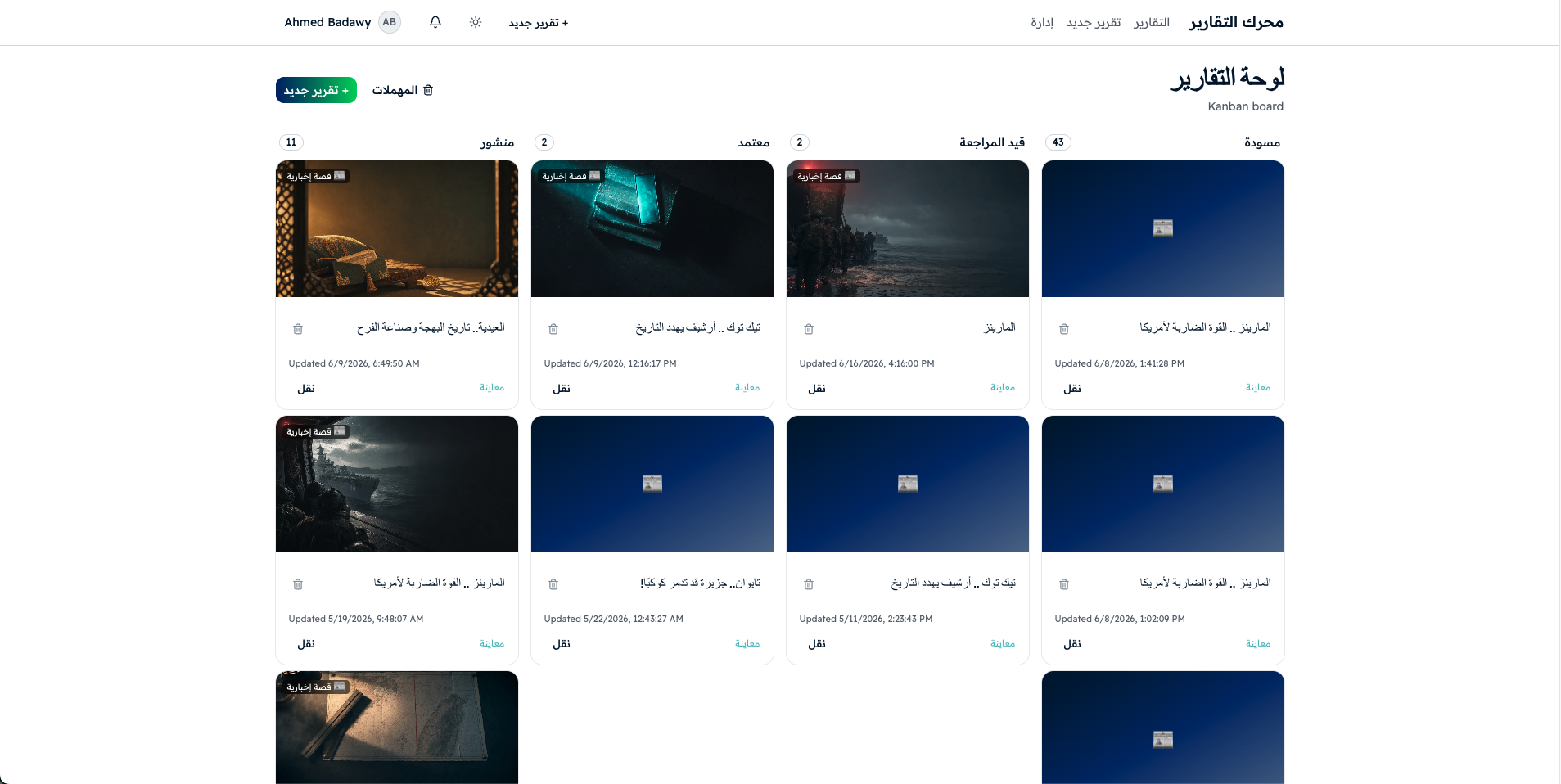
A platform that ingests team-written content and auto-produces the on-brand visual design and layout, with user controls for fonts and positioning. It's live, with reports published publicly as the “Jak Al-Elm” series — see it on alelm.net.

Automated designTemplatingEditable controlsLive in production
reports.alelm.net
محرك التقارير المرئية
منصة إنشاء التقارير السينمائية لجاك إلم — Reports Engine v1

نظام إنتاج تقارير بصرية يحوّل المحتوى العربي إلى قصص تفاعلية بأسلوب مرئي سينمائي، مدعوم بالذكاء الاصطناعي ومسيطر عليه من قبل المحررين.

ابدأ تقريراً جديداًلوحة التقارير
Status: scaffold complete · Next 16 · React 19 · Tailwind 4 · shadcn/ui · RTL · Readex Pro

Reports — the console editors use to turn written content into on-brand visual reports.

Tradeoffs & what's next

Keeping a human in control of fonts and position was a deliberate cost — full automation would be faster but would drift off-brand and lose the team's trust. I traded a little speed for quality and adoption, which is why people actually use it. Next I'd widen the range of report types it handles cleanly.

03 — AI recommendation engine

AD

Influencer recommendation · RAG · self-serve shortlists
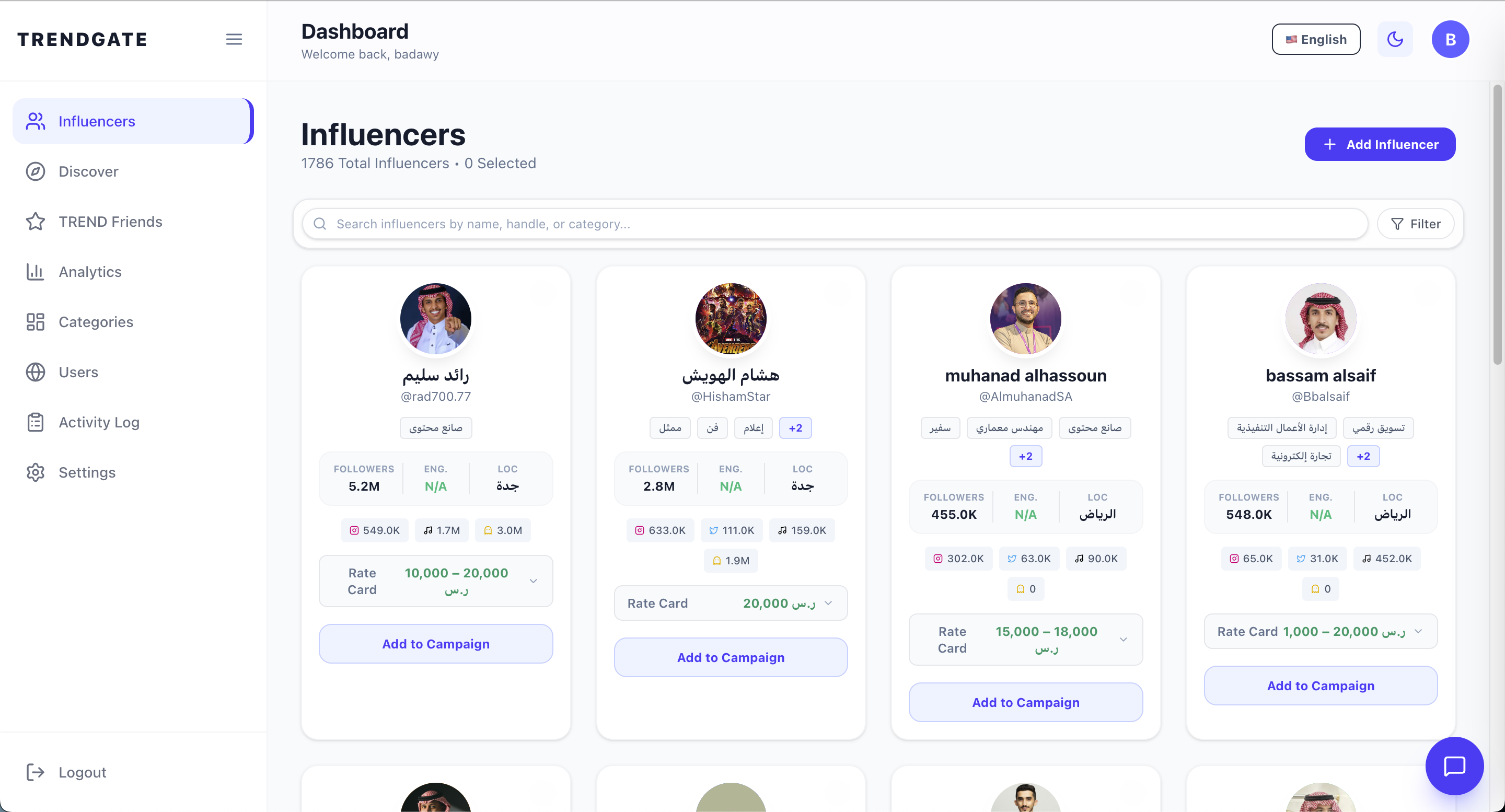
days → minutes Qualified influencer shortlists, self-served by anyone — no longer dependent on two or three people.
The problem

Influencer knowledge — who's good for what, at what price, on which platform — lived in the heads of two or three staff. Getting a qualified recommendation meant waiting on them, sometimes for days. They were leaving, and the knowledge was leaving with them.

How I approached it

This was my first product, and I treated it as a search-and-trust problem, not a database problem. Anyone could store names in a sheet; the value was getting a relevant shortlist quickly, in the way the team actually thinks about influencers.

The hard part

Three things had to come together: results had to be genuinely relevant, the data had to cover enough of the roster to be worth trusting, and the filters had to match how staff reason — by price, platform, category, follower count, contact — not by some structure that made sense only to me. If any one failed, people would go back to asking the two or three people.

What I built

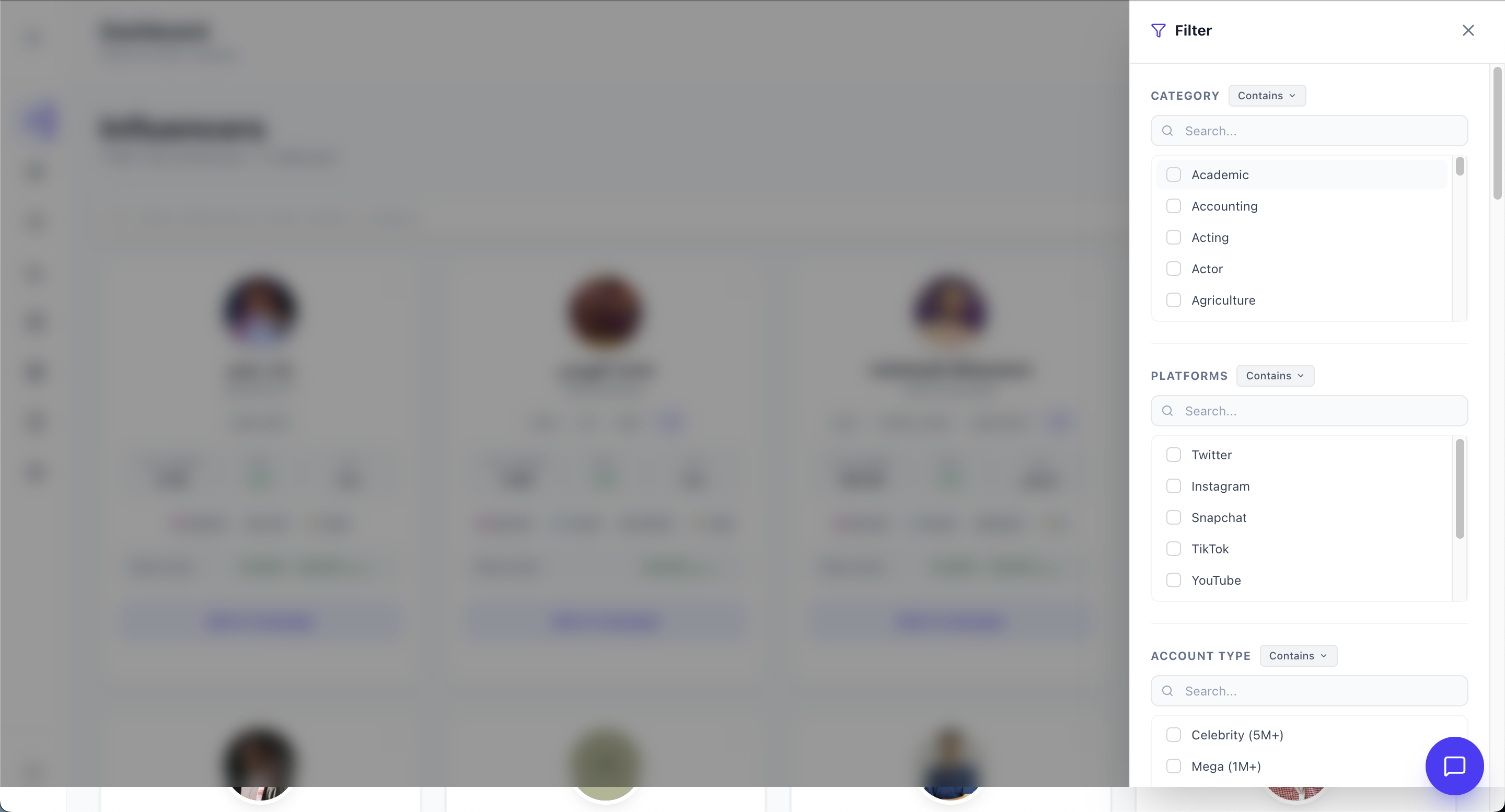
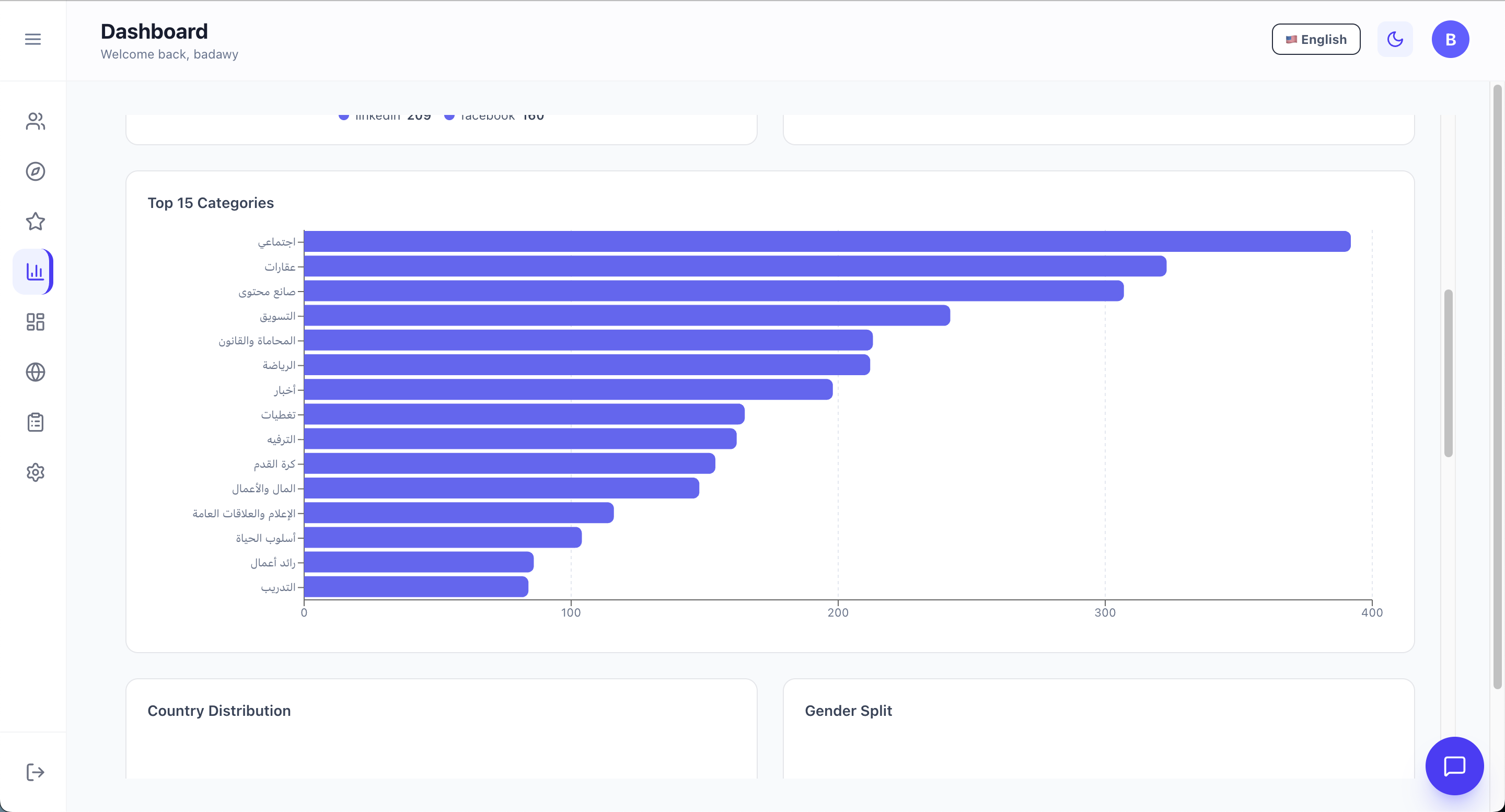
A searchable database of 1,786 influencers with a RAG agent and multi-filter shortlisting across price, platform, category, follower count, and contact — then one-click export of the selected influencers to PPT or Excel to send straight to clients. This is where I learned what front-end, back-end, and automation actually are, and built my first RAG agent.

RAG agentMulti-filter searchPPT / Excel exportSupabase
Tradeoffs & what's next

As a first build, relevance was rougher than I'd accept now — the lesson was that coverage and filters that match the user's mental model matter more than clever retrieval. With what I know now, I'd invest earlier in data quality and in measuring whether the shortlists were actually used.

04 — Equipment tracking

Studio

Gear checkout · live availability · usage analytics
chasing people → one view "Who has the camera, and when's it back?" — from hours of calls and texts to a status anyone can read in minutes.
The problem

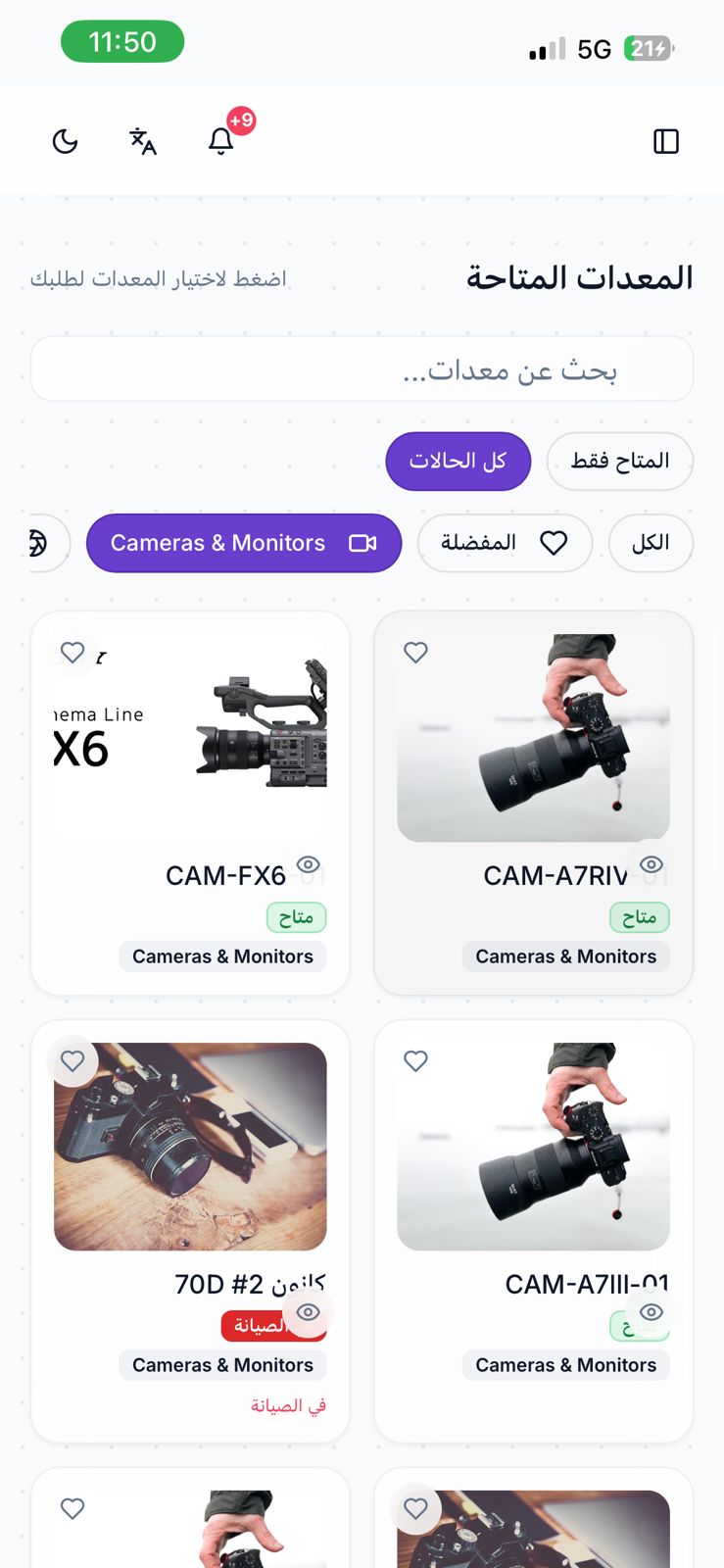
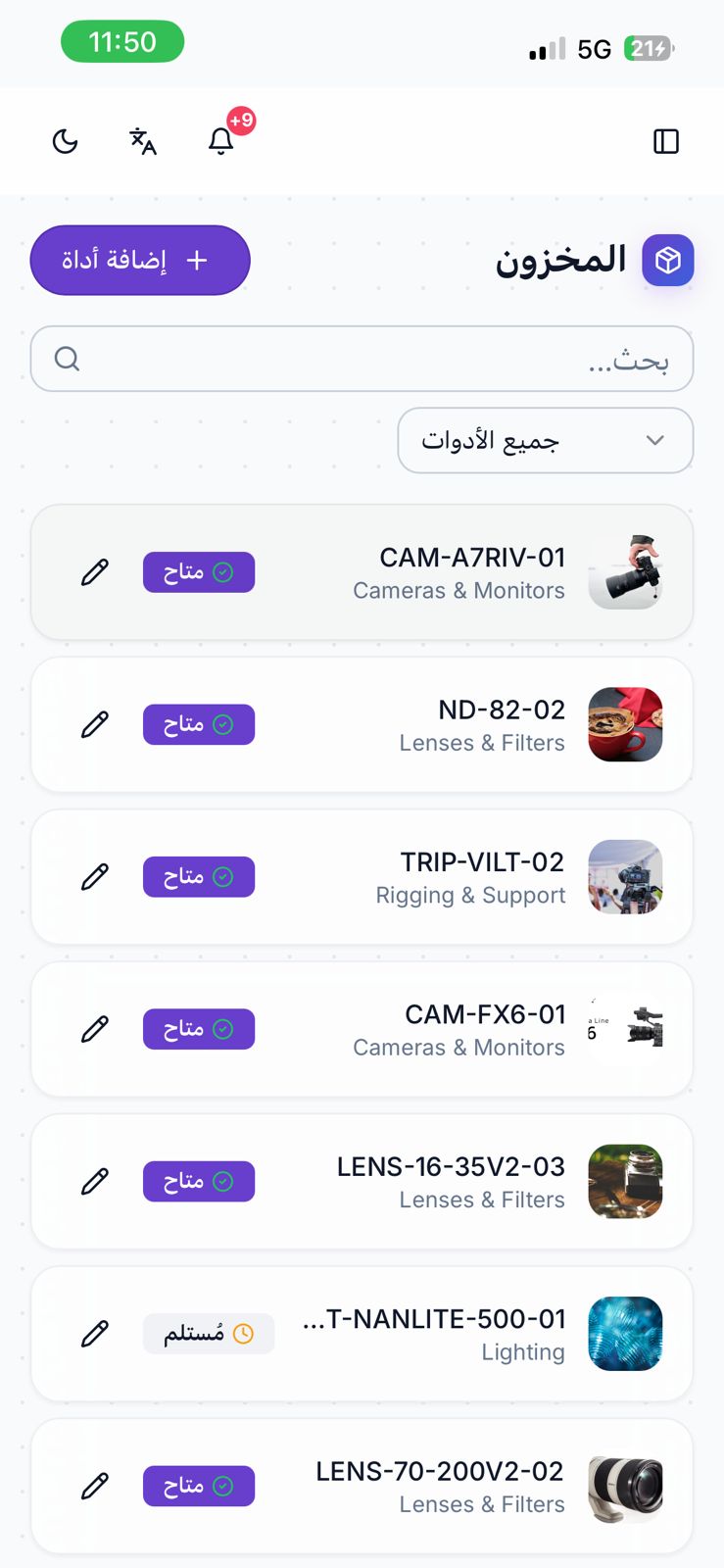
The video production team — about 10 people — shares a pool of ~100 pieces of expensive gear: cameras, lenses, rigs. Tracking who had what, what was free, and what was broken happened over calls, texts, and memory. Shoots got blocked waiting on equipment nobody could locate, and no one knew what was worth buying more of.

How I approached it

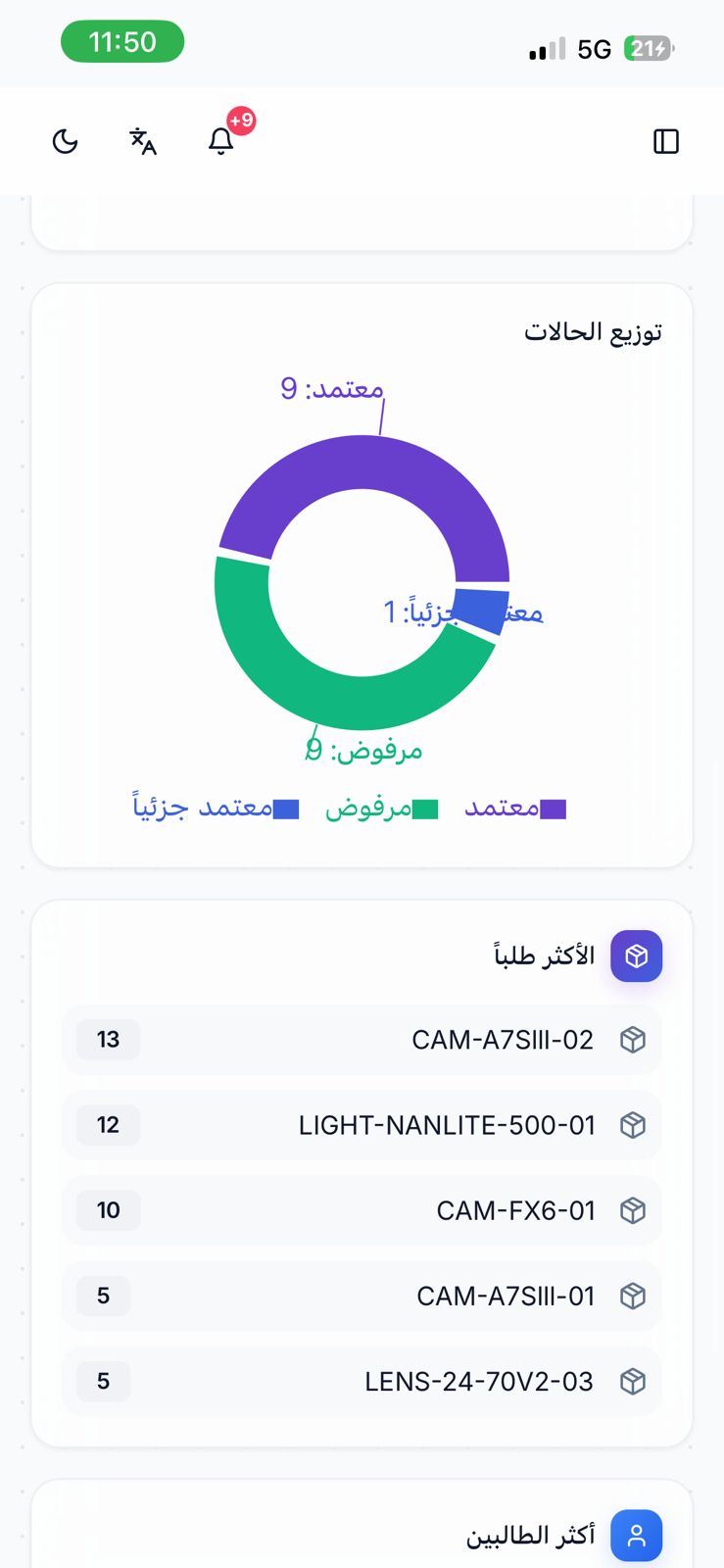
I treated it as two problems in one: availability — can I book this for my shoot? — and accountability — who has it, and is it back? And I wanted the byproduct, usage data, to answer a question the team couldn't: what do we actually use enough to buy more of, and what's sitting idle?

The hard part

The system is only as trustworthy as the logging. If staff don't check gear out and back in, availability lies and the analytics are noise. So the flow had to be faster than firing off a WhatsApp message — reserve against a project and return date in a few taps — or people would route around it.

What I built

A checkout and tracking tool: staff reserve equipment against a project and return date, with live availability, an ownership trail, and fault flagging. Usage analytics sit on top to inform buy-more-vs-retire purchasing decisions. Built Arabic-first for the team that uses it.

Checkout / returnLive availabilityFault flaggingUsage analyticsRTL / Arabic
studio.trenddc.com
مركز المعدات
تسجيل الدخول

أدخل بياناتك للوصول إلى حسابك

name@trenddc.com
••••••••
تسجيل الدخول
نسيت كلمة المرور؟

Studio — Arabic-first login to the equipment center (مركز المعدات).

Tradeoffs & what's next

Leaning on staff to log every checkout is the weak point — the honest next step is removing the friction entirely with reminders and a scan-to-check-out flow, so the data stays clean without anyone having to be disciplined about it.